
Social media has become one of the most influential tools in the modern business environment. Platforms such as Facebook, Instagram, LinkedIn, TikTok, YouTube, and X allow companies to communicate with customers, promote products, build brands, and compete in increasingly digital markets. In 2026, social media is no longer simply a place for businesses to publish advertisements. It has become an important part of marketing, customer service, sales, recruitment, public relations, and business strategy.
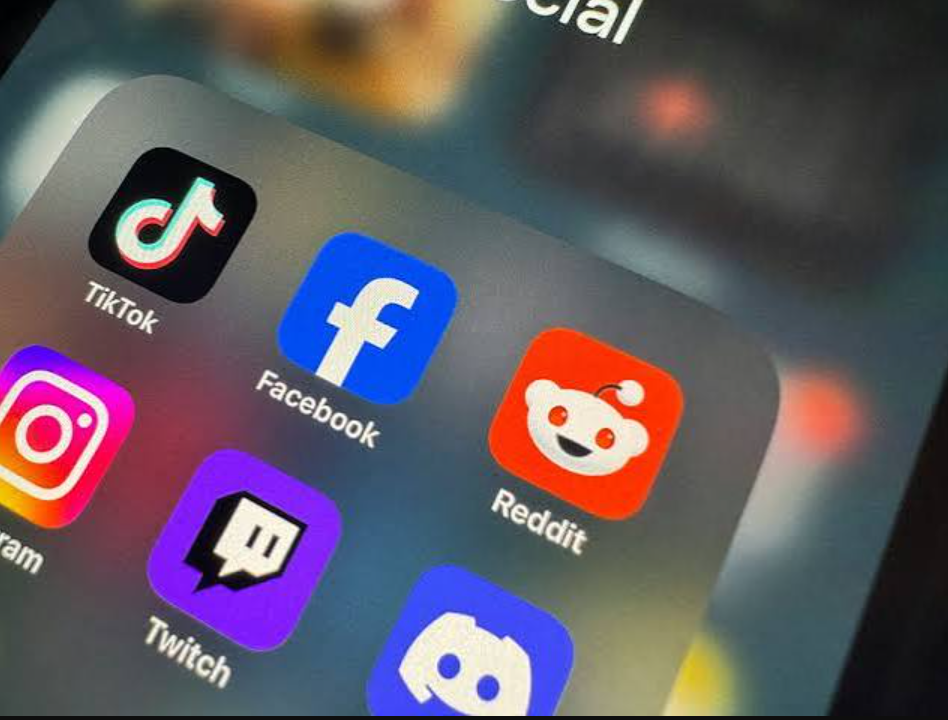
One of the biggest ways social media is changing companies is through digital marketing. Businesses can promote their products and services to large audiences without relying entirely on traditional advertising channels such as television, newspapers, or billboards. Social media advertising can also allow companies to target particular groups based on interests, location, online behavior, and other characteristics. This can help businesses use their marketing budgets more efficiently.
Social media has also transformed the way companies communicate with customers. In the past, customers often had to call a company, send an email, or visit a physical location to ask questions. Today, customers can send direct messages, leave comments, or contact businesses through social platforms. Companies can respond quickly to questions, complaints, and feedback. This creates opportunities for businesses to build stronger relationships with their customers.
Another important change is the growth of brand awareness. A company can use social media to communicate its identity, values, products, and services to potential customers. Regularly publishing useful or entertaining content can help a business remain visible to its audience. A strong social media presence can be particularly valuable for smaller companies that may not have the advertising budgets of large corporations.
Social media is also changing how companies sell products. Social commerce allows consumers to discover products, view demonstrations, read comments, and sometimes complete purchases without leaving a social media platform. Businesses can use photographs, videos, livestreams, and product links to create a more direct path between marketing and sales. This is especially important for businesses targeting consumers who spend significant amounts of time on mobile devices.
The rise of short-form video has created new opportunities for companies to reach audiences. Platforms that emphasize short videos allow businesses to demonstrate products, explain services, share educational information, and show behind-the-scenes activities. A creative video from a relatively small company can sometimes reach a much larger audience than the business could reach through traditional advertising. This has made creativity and authenticity increasingly important in digital marketing.
Social media has also changed customer feedback and reputation management. Customers can publicly share their experiences with a company, including both positive reviews and complaints. A single customer experience can potentially reach thousands of people. Companies therefore need to monitor conversations about their brands and respond professionally to problems. Businesses that listen to customers and address complaints quickly can protect their reputation and demonstrate that they value customer opinions.
Another major impact is the availability of customer data and analytics. Social media platforms provide businesses with information about engagement, audience demographics, content performance, and advertising results. Companies can use these insights to understand which types of content attract attention and which marketing campaigns produce results. Data-driven decision-making can help businesses improve their strategies instead of relying entirely on assumptions.
Social media is also influencing business-to-business communication. Platforms such as LinkedIn allow companies to connect with professionals, industry experts, potential partners, and corporate customers. Businesses can publish research, company updates, industry insights, and professional content to establish credibility. Social networking can therefore support sales, partnerships, recruitment, and professional relationship building.
The technology has also changed employee recruitment. Companies can use social media to advertise job opportunities and reach potential candidates directly. Professional platforms allow recruiters to search for people with specific skills and experience. At the same time, job seekers can research companies and learn about workplace culture before applying. This means that a company’s online reputation can influence not only customers but also potential employees.
Social media has created opportunities for small businesses and entrepreneurs to compete with larger companies. A small business can build an audience without needing a large physical marketing department. Entrepreneurs can use social platforms to introduce new products, communicate directly with customers, and develop communities around their brands. This has lowered some traditional barriers to entering competitive markets.
However, social media also creates new risks for companies. Negative comments, misleading information, hacked accounts, inappropriate posts, and poorly handled customer complaints can damage a company’s reputation. Employees may also accidentally share confidential information or publish content that conflicts with company policies. Businesses therefore need clear social media guidelines, account security measures, and crisis-management procedures.
Another challenge is the constant demand for new and engaging content. Social media audiences can quickly lose interest in repetitive advertising. Companies need to understand their target customers and create content that provides value rather than simply promoting products. Educational posts, demonstrations, stories, customer experiences, and entertaining content can help businesses maintain audience engagement.
Artificial intelligence is adding another dimension to social media marketing. Companies can use AI tools to analyze audience behavior, generate content ideas, personalize marketing campaigns, and automate certain customer-service tasks. AI can improve efficiency, but businesses still need human oversight. Incorrect information, inappropriate automated responses, or overly generic content can reduce customer trust rather than strengthen it.
Social media is also changing the relationship between companies and their communities. Businesses can use online platforms to support social initiatives, share information, collaborate with organizations, and communicate during emergencies. Customers increasingly expect companies to be transparent and responsive. A company’s behavior on social media can therefore influence public perceptions of its values and responsibilities.
In conclusion, social media has fundamentally changed how contemporary companies market products, communicate with customers, recruit employees, manage their reputations, and compete in the marketplace. It provides businesses with powerful opportunities to reach audiences quickly and build direct relationships at relatively low cost. At the same time, it requires careful planning, consistent content, strong cybersecurity, and responsible communication. Companies that use social media strategically and authentically can strengthen their brands and adapt more effectively to the changing digital economy.
Leave a Reply